
Our history and founder
Cliveden Conservation was originally founded in 1982 by Trevor Proudfoot for the preservation of the National Trust’s buildings and statuary collections. Trevor was by trade a stonemason who championed the adoption of traditional materials, techniques and craftsmanship in conservation. In 1990 Cliveden Conservation became independent and expanded its services with workshops in Berkshire, Somerset and the East of England.
35 years on, we are proud to continue our valued association with the National Trust as well as establishing close relationships with many other heritage organisations, architects and private clients. Sadly, Trevor is no longer with us but his son Lewis has taken over at the helm of Cliveden Conservation and is continuing to uphold his father’s legacy.
Our values
Putting best practice at the heart of everything we do, Cliveden Conservation creates sustainable relationships that value buildings, objects, people and their surroundings. Through research and informed decision making, our professional team deliver the most appropriate conservation interventions for your building or object. Our advice prioritises Conservation Philosophy – and does not compromise quality for cost. We are committed to…
Sharing knowledge
Establishing best practice
Pursuing professional development
Protecting the environment
Our Sustainability Policy
We consider an integrated approach to Environmental, Social and Economic impact issues (both internal and external) leading to long term, sustainable and successful delivery for our business, our people and our activities.
Our Team
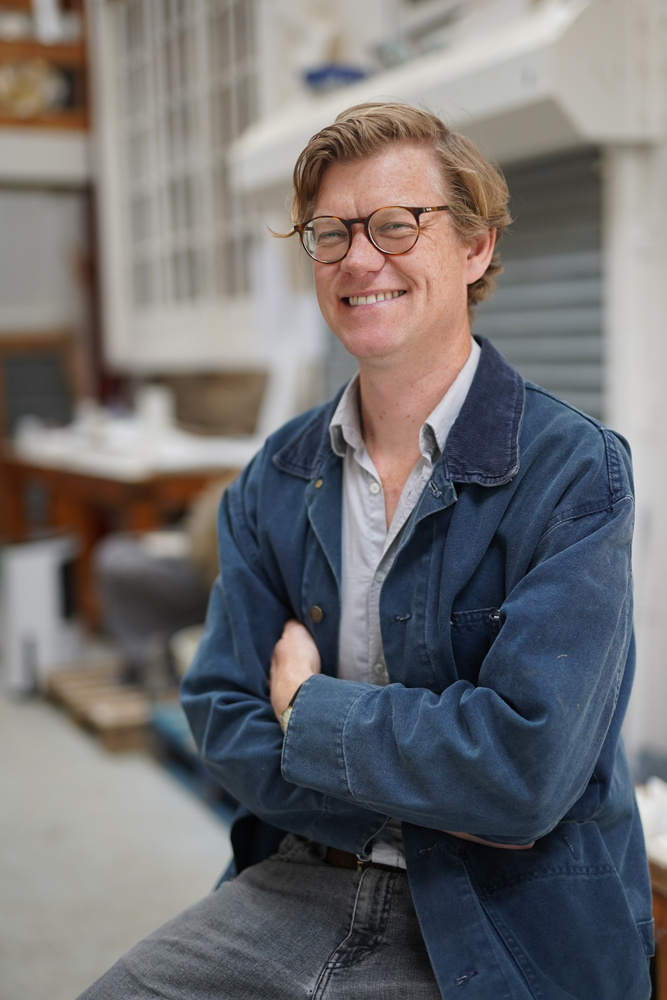
Lewis Proudfoot
Managing Director
Be patient and open to ideas.
Conservation work should be pragmatic and closely tied to sustainability. It requires diligence, sensitivity and being receptive to other people’s views. Visiting sites and discussing complex conservation issues with passionate and skilful individuals who share a love of heritage is the favourite part of my job.
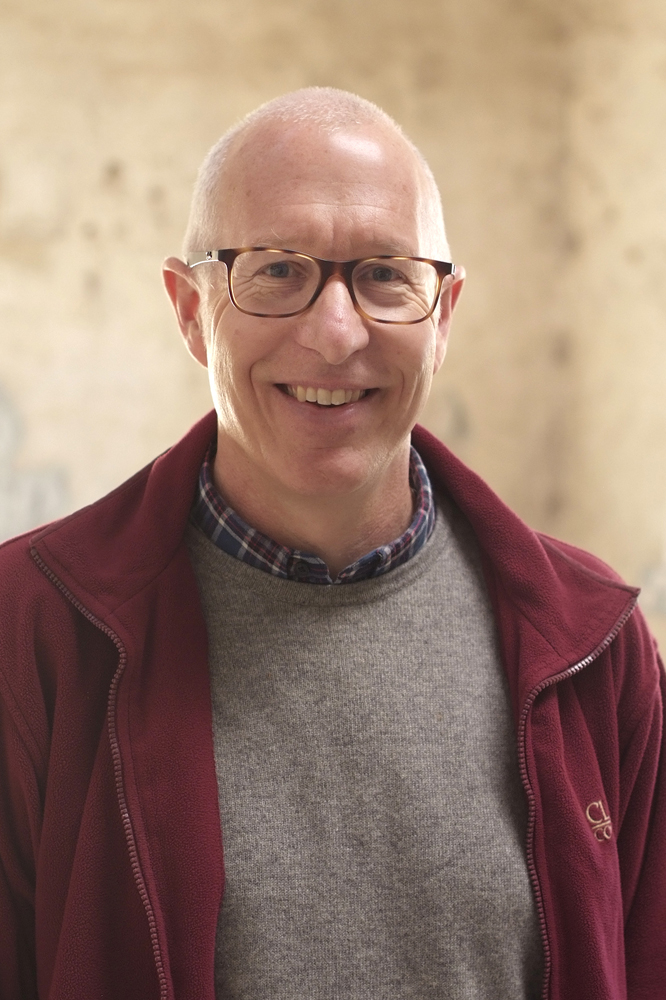
Tom Flemons
Bath Workshop Manager & Director
You never know where work will take you.
As part of an ongoing project I have been very fortunate to have been involved on an archaeological site at Aphrodisias in SW Turkey. We have worked alongside an international team conserving the statuary and buildings. A great privilege to work on Roman objects in their original setting.
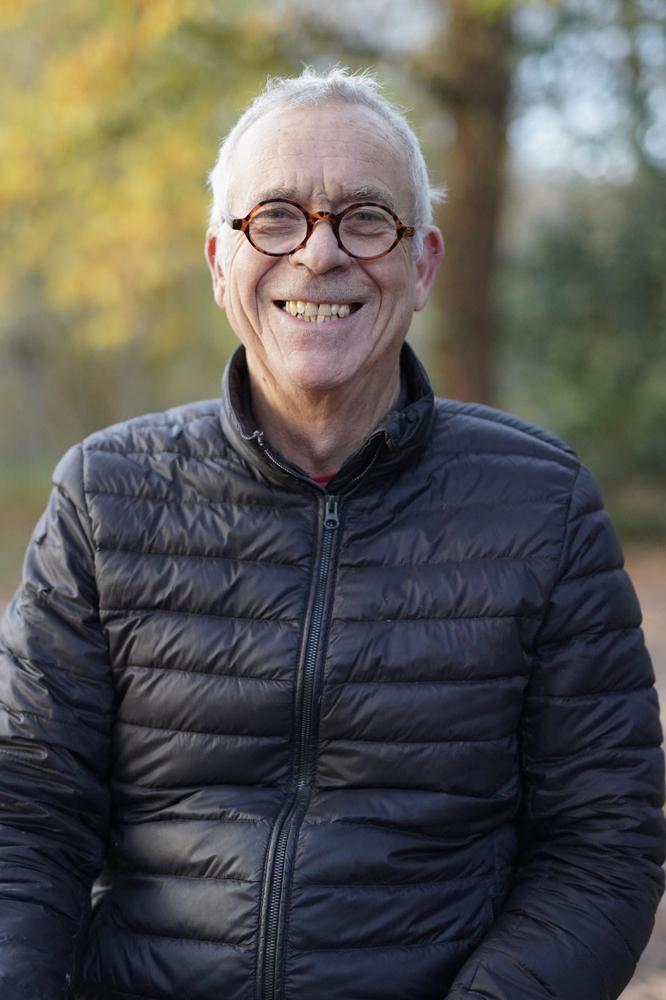
René Rice
Head of Project Development
Condition surveys are vital.
Ornamental ceilings, like music, are constructed from an ensemble of elements but also like music, can range in complexity and expression from the simple vernacular to the austere geometry of Classicism or the floridity of the Baroque. Because of these different characteristics, condition surveys are essential.
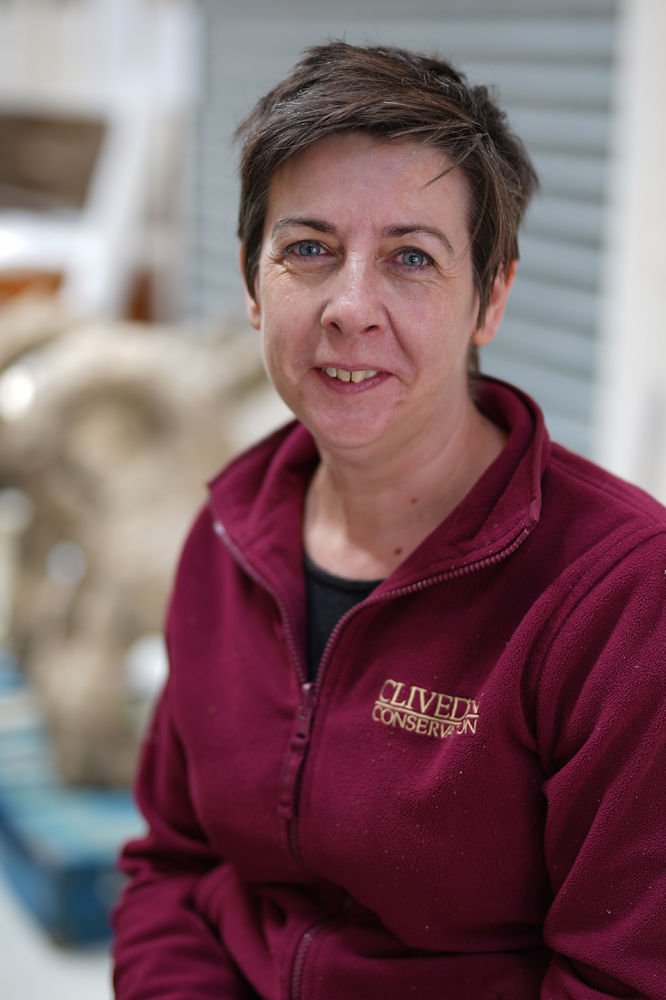
Julia Gynn (ACR)
Head of Decorative Arts
An unforgettable moment.
The Roman marble statue of a cat from Powis Castle was an exceptional project. The research and treatment led to the successful replication of 18th-century repairs composed of beeswax. With the inspiring project began a thirst for knowledge on the techniques used by the 18th century restorers.

Katie May Langridge
Head of Conservation and Operations (East)
Our team’s adaptability and problem-solving skills are our greatest assets. Each project presents a unique set of challenges, and as conservators, we continually balance best practices, priorities, and budgets. In my role, I witness how hard the team works and the extreme level of care and pride they take in every detail. Our people are our most valuable resource.
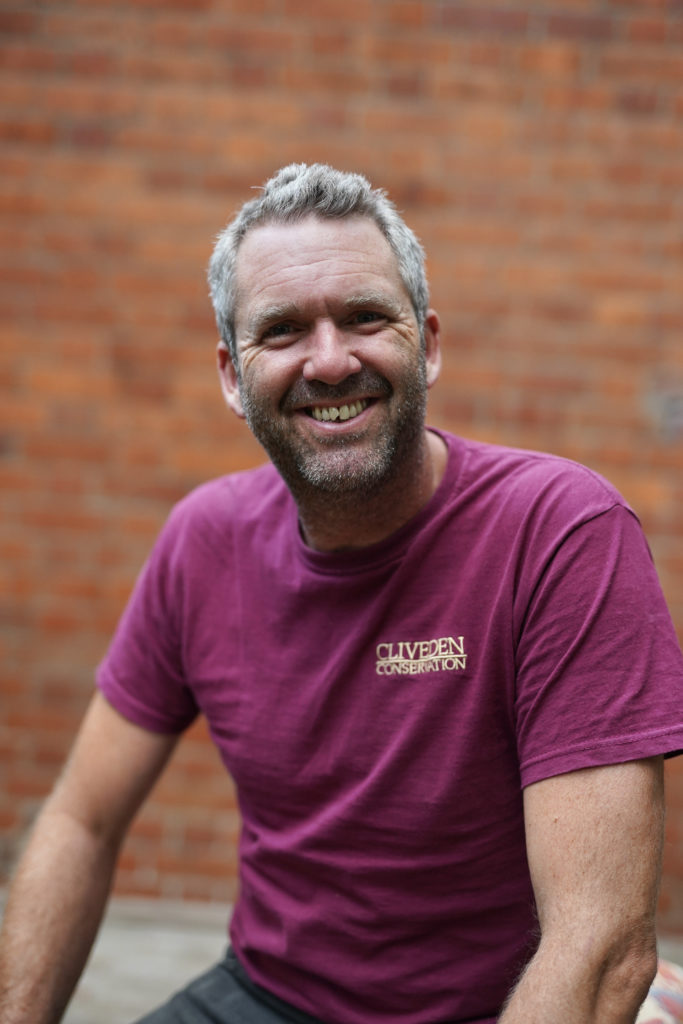
David Bloxam
Head of Architectural Projects
Hero of the conservation world is John Ashurst.
Taking time to understand a project, its materials, history and the people involved is an essential part of conservation. Through communication, patience and a ‘can-do’ attitude I believe most problems can be overcome. This is why a project should never be rushed.
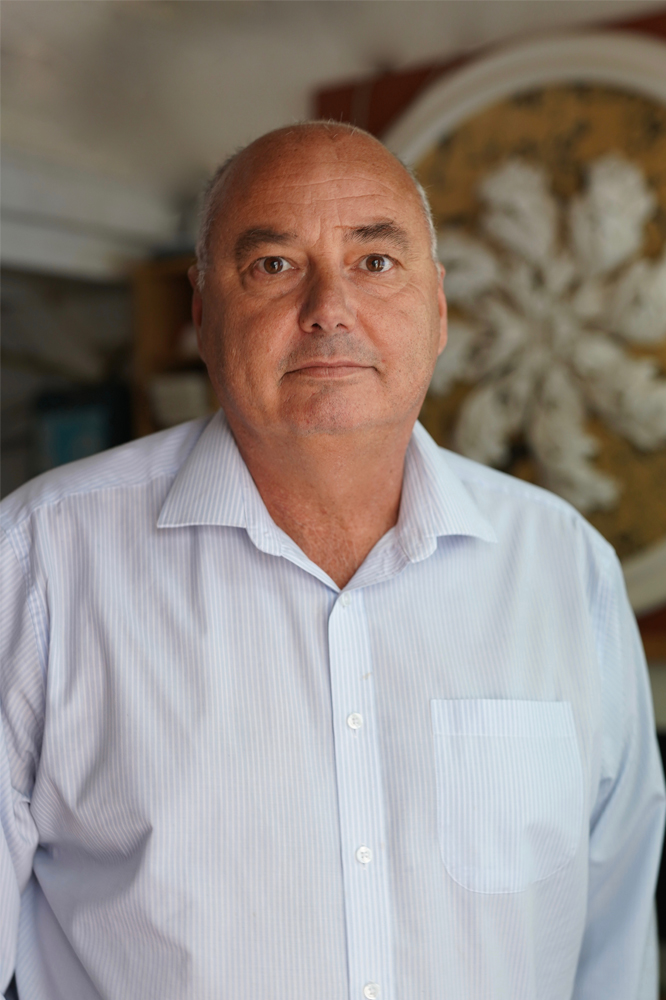
Keith Learoyd
Commercial Manager
What conservation means to me.
The protection and preservation of our historic buildings, monuments, objects and sculptures by maintaining and repairing for the future. Also managing change to a place of historic interest in a way that sustains or sometimes enhances its importance for many years to come.
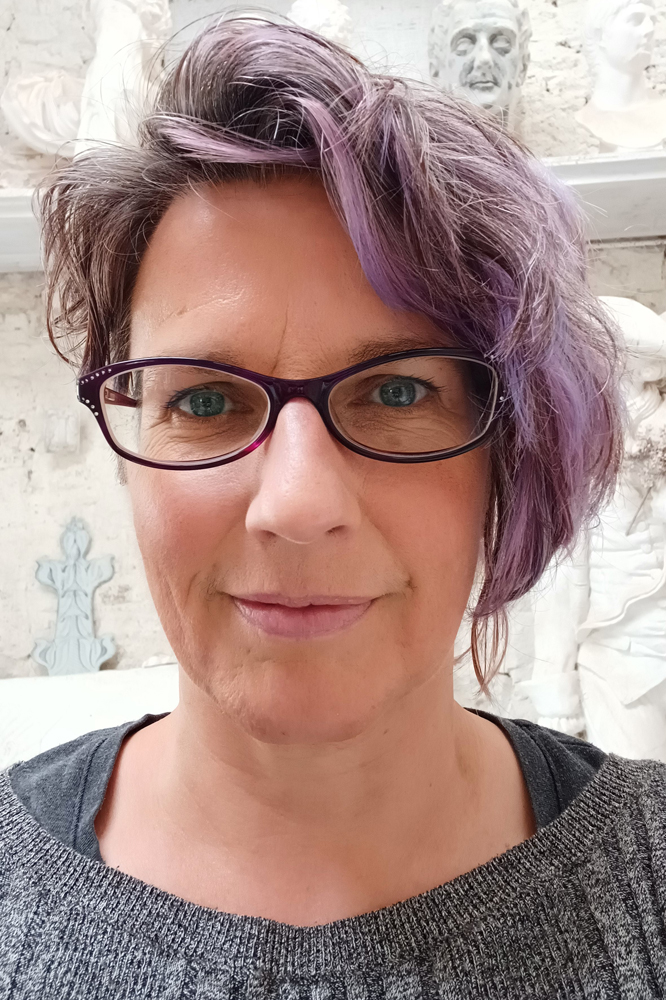
Berenice Humphreys
Contracts Manager
You never stop learning.
There’s always new techniques or even little tips to learn. It’s not just learning from those more senior – many of the tips and new techniques will come from the younger generation. One skill we Conservators have is the ability to think ‘outside the box’ and relish approaching some of the more difficult challenges.
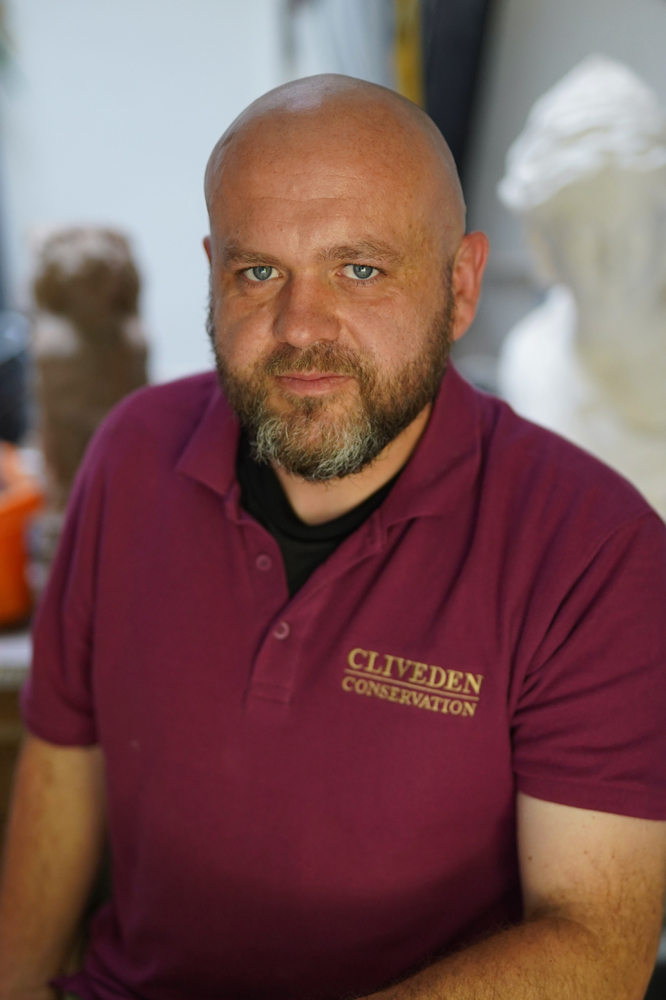
Kris Zykubek (ACR)
Senior Conservator (Decorative Arts)
A discovery can often led to something much bigger.
During conservation works we found a small statue in a private garden which the owners thought was a cheap concrete cast. It was in fact a beautifully carved Italian marble by C19 Florentine artist. The statue was valued around £60K.
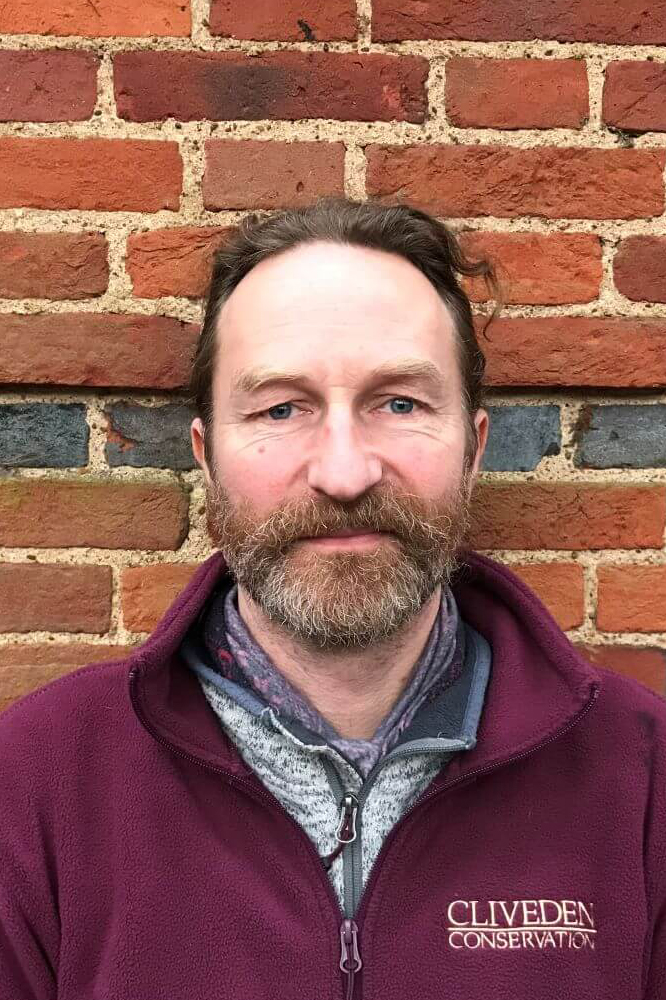
Ben Newman
Project Manager (Architectural Projects)
If it ain’t broke don’t fix it.
It is about preserving our built heritage and respecting the artistry that made it. At the same time conservation needs to strike a balance between the reverence for the past and maintaining current craft skills and allowing those skills to flourish by replacing historic fabric where there is a sound argument.
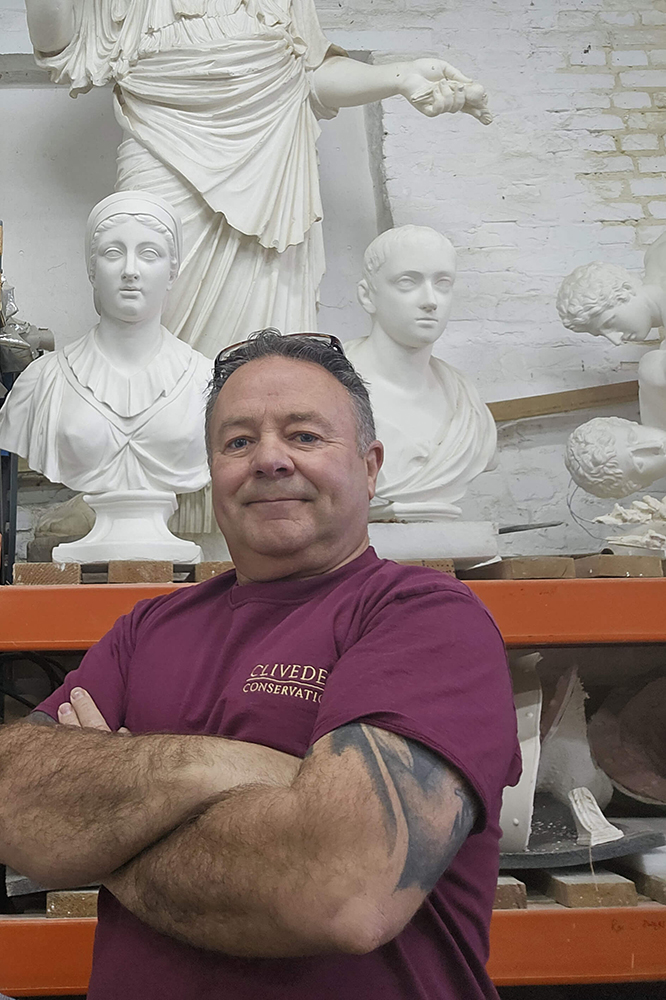
Paul How
Conservation Project Manager – East Anglia
Saving our yesterdays for all our tomorrows.
The history of the building and the people who built it is vital. It’s what connects you. Receiving a civic award for the conservation works on Newsons Farm Thorpe Morieux must be my proudest moment. My biggest challenge to date is moving a whole timber-framed barn to save it from demolition.
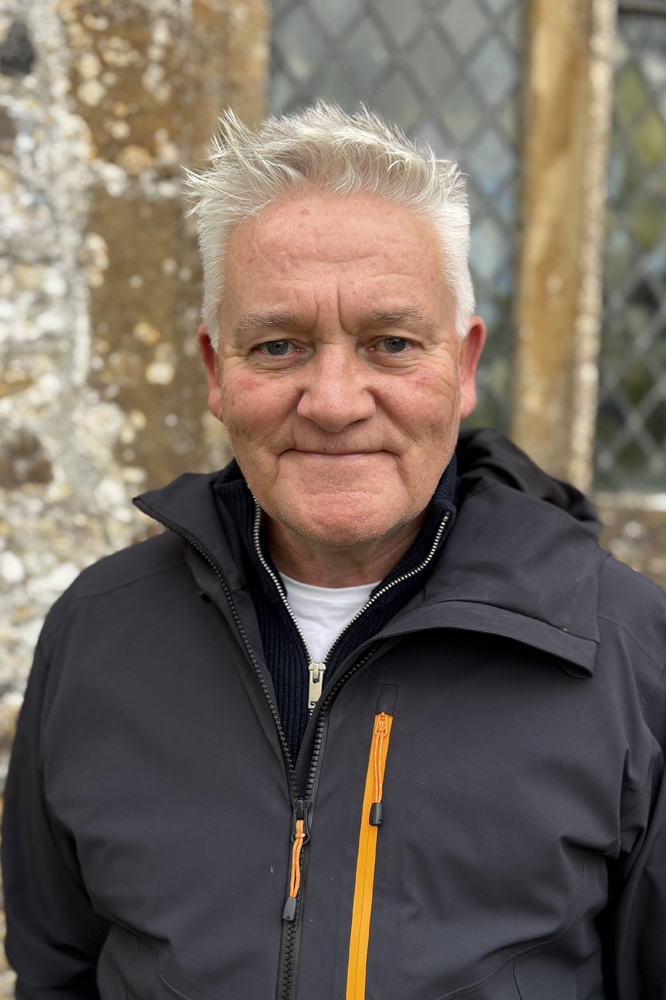
Tim Heale
Project Manager
We should never underestimate what a privilege it is to work on and to conserve, our historic buildings and monuments.
I believe it is our role to perpetuate the skills, craftsmanship and knowledge that make this possible.
I’ve worked on many beautiful buildings but the most challenging, and rewarding, was the dismantling and rebuilding of the cloisters at Iford Manor, Bradford Upon Avon.
News
Restoration of historic Woodcote House is completed
The external conservation works to Woodcote House, the Grade II-listed centrepiece of the Warwickshire Police headquarters estate in ... Read more

Conservation treatment continues to preserve the West Front of Wells Cathedral
Cliveden Conservation is pleased to announce its appointment to undertake the ongoing conservation of the exquisite carved stonework ... Read more

‘Hidden Treasures of the National Trust,’ returns to our screens
The highly anticipated return of the popular BBC Two and BBC iPlayer six-part series, ‘Hidden Treasures of the National Trust,’ which ... Read more
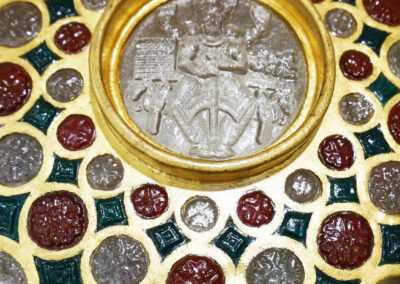
We are exhibiting at the Museums + Heritage Show, 14th- 15th May 2025
Cliveden Conservation is exhibiting at the Museums + Heritage Show, 14th- 15th May 2025 at Olympia London. You can find us at Stand ... Read more

Oxford Road Sign wins gold at the Sign and Wrap Awards 2025
Judges admired the craftsmanship, skill, and attention to detail of the traditional sign, which lists all the building proprietors ... Read more

We return to Nottingham Cathedral to bring Pugin’s vision back to life
Cliveden Conservation return to Nottingham Cathedral to bring Pugin’s vision back to life thanks to £1.69 million National Lottery ... Read more
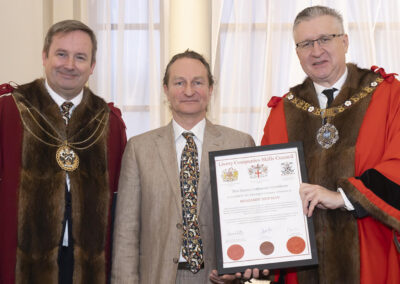
Congratulations to stonemasonry Master Craftsman Ben Newman.
Ben Newman, Architectural Project Manager at Cliveden Conservation, has achieved a significant milestone in his stonemasonry career ... Read more

Conservation of Pugin’s decorative scheme talk
We are delighted to announce that Ana Logreira has been asked to speak about the conservation of Pugin's decorative scheme at St Peter ... Read more

Award-winning project for Salisbury Museum
Cliveden Conservation named as 'Conservation Contractor' on the winning certificate, Read more
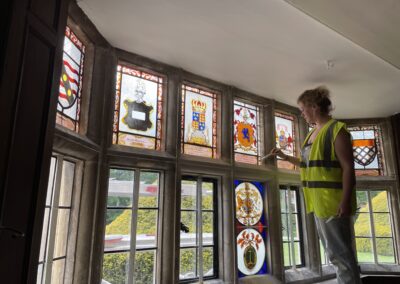
Women in Conservation: a conversation
SPAB is hosting a special event to celebrate women in conservation and timing it in recognition of International Women's Day, 8 Mar 2025 Read more
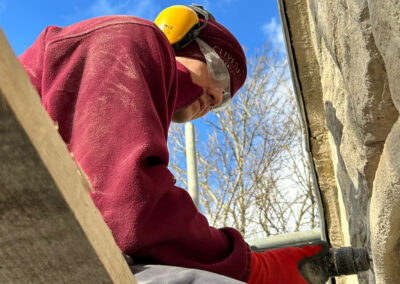
George Place talks about his apprenticeship
As part of National Apprenticeship Week 2025, we caught up with our apprentice George Place, who is studying for his Level 2 NVQ in ... Read more
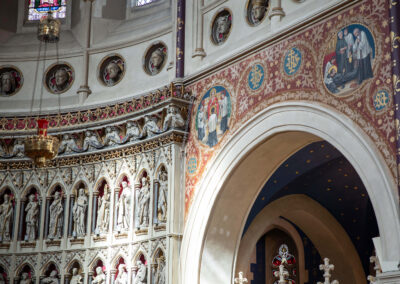
Gabriel Pippet Mural Conservation Talk
Gabriel Pippet Mural Conservation Talk at the Oxford Oratory (24th February 6.30 pm) Polly Westlake, Senior Conservator at Cliveden ... Read more