
Programme Overview
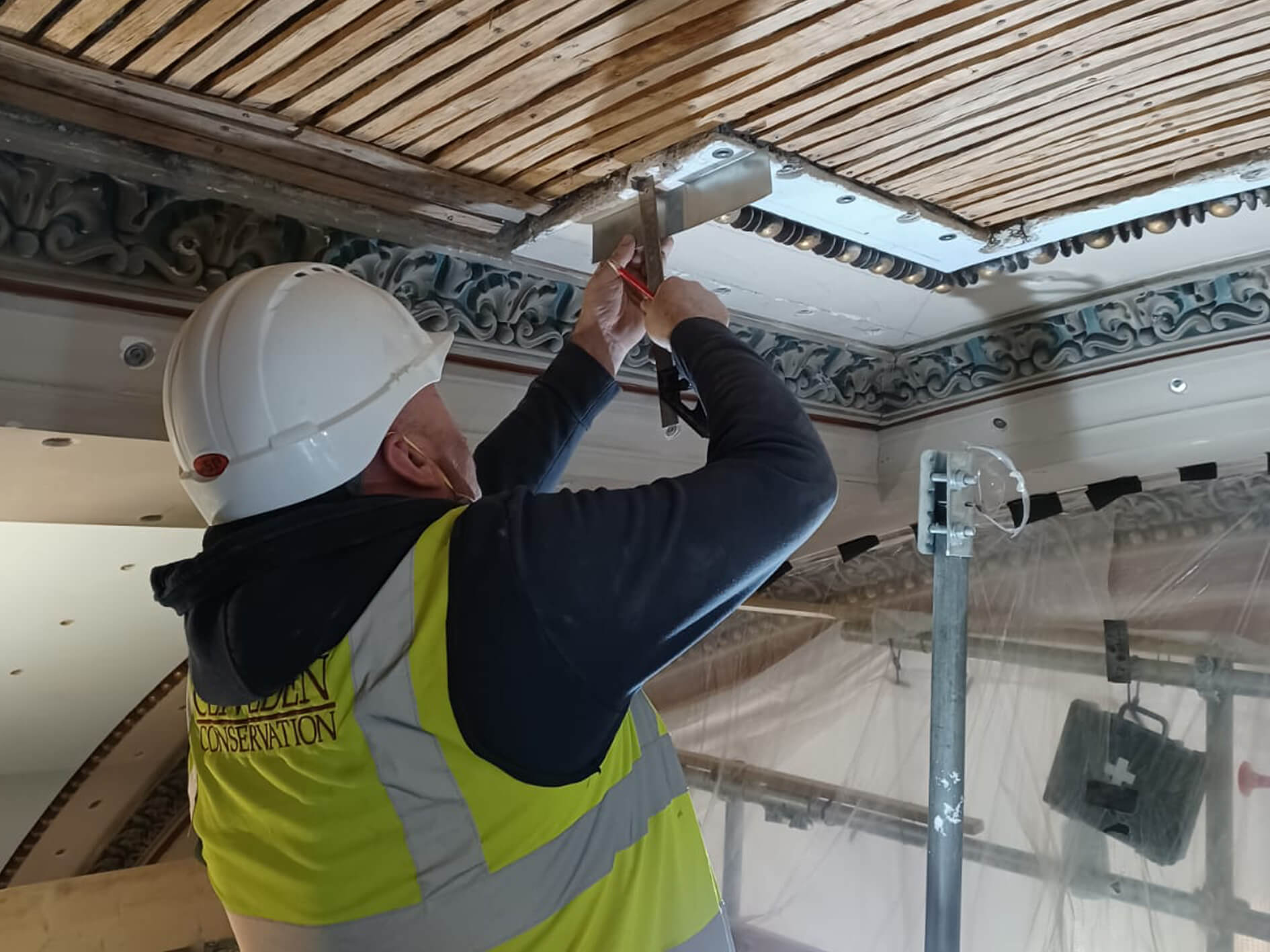
The day consists of understanding and identifying relevant tools needed for basic plastering and casting. To understand the health and safety aspects of conservation plastering. To understand the need for training in the conservation area and to keep the skills alive.
Why attend this training day
- Understanding the need to follow material specification in conservation work
- Selection of correct materials
- Selection and identification of tools
- Applying and fixing laths
- Application of pricking up coat to laths
- Understanding the need for the correct key (scratch)
Who should attend:
Architects, project managers, surveyors, building contractors and college students and any one who would like to gain basic knowledge of conservation plastering.
Workshop Programme
- Session One: Welcome and introduction to the day. House keeping and health and safety. Explanation of hand tools, identification and use. Understanding laths, uses and types, and the need for the spacing. Understanding lime and the need for binders. Understand the importance of a key
- Break
- Session Two: demonstration of hawk and trowel use. Students to plaster to laths and other areas (Other areas depends on the course location). Advice and help given as students require. Apply the key to the scratch coat. Clean tools and discuss outcomes
- Lunch
- Session Three. Basic bench running. Discussion of the afternoon and explanation of the task. Demonstration of a simple running mould. Q and A
- Session Four: Students to start running their bench mould. Help and ongoing advice during the session. Once all students have completed their task clean up and any questions
What you will take away
- Print out of the lime cycle
- Digital resource of scenarios where lime is used
- Digital resource showing running moulds in use
- IHBC certificate
 Colin Alderman has worked for Cliveden Conservation for over 20 years and has 51 years of plastering experience. Colin has taught City & Guilds Level 1, 2, and 3 plastering at Reading College and specialises in solid plastering (flat work and in situ running, interior and exterior). Last year, Colin received his Master Plasterer Certificate, awarded to those who have achieved the highest level of skills in the industry over a number of years and can demonstrate excellence in the art, craft, science and practice of plastering.