
HISTORIC TIMBER FRAME & WATTLE AND DAUB CONSERVATION REPAIR
Walpole Old Chapel, near Halesworth, is one of the oldest Nonconformist chapels in the country. The Grade II* listed, timber-framed and plastered building, with some red brick casing, dates from the mid-16th century and has been used as a chapel since 1647.
The historic chapel had been previously rendered with inappropriate, very hard, hydraulic and cementitious renders preventing the egress of moisture and without the flexural strength required for a timber-framed building.
Trapped moisture within the fabric had caused metal lath to corrode and expand, leading to further cracks in the render and consequent water ingress.
The resulting damp had created ideal conditions for wood-boring beetle, raising serious concerns about structural stability. The problems were so severe that the chapel was placed on the Heritage at Risk Register.
Following a competitive tender process, Cliveden Conservation was appointed by project managers, the Churches Conservation Trust, to complete essential repairs and conservation work to the north and west elevations of the building, working in collaboration with Ptolemy Dean Architects. The aim was to make the chapel watertight and structurally sound with further phases of work to follow.
Conservation Work Undertaken
The main scope of works included removal of the failed render and substantial structural repairs to the timber-frame building, retaining as much original material as possible. Hand tools were used throughout to limit vibration to the 17th-century timber frame. Trials for the render removal were conducted in consultation with the conservation architect and engineer, and a timber frame survey was also undertaken.
Various repairs were carried out to the timber-frame building including full stud repairs using mortice and tenon joints and traditional oak pegs. The team executed structural repairs to the corner post, implemented scarf joints on the mid-rail, and spliced face repairs, all using D30 air-dried oak.
Many of the coppiced hazel poles comprising the wattle had crumbled to dust, leaving corrugated grooves in the daub. New, locally sourced hazel ledgers and wattles were fixed to the oak frame to stabilise the daub panels, and new clay daub was used to consolidate the wattles to the existing panels. Brick infills were consolidated using air lime mortars.
Three coats of haired hot lime render with high flexural strength and permeability were applied to the north and west elevations before limewashing.
Additional works included repairs to the oak mullion windows, removal of bituminous paint to the brick plinth and subsequent plinth repairs, replacement of rainwater goods, and decoration of external woodwork and render. Chamfered soft red bricks were introduced to replace the old broken tiles. Following a survey, localised internal plaster repairs to the walls and ceiling were also carried out and the interior was cleaned.
Minimising disturbance to roosting bats and swallows’ nests required collaboration with the project ecologist to ensure works were scheduled and completed during the appropriate time of year. Bat entrances finished with an oak perch were installed on the north elevation.
Results
The first phase of conservation repair to the chapel has been successfully completed. Clear standards have been set for the next phases of work. Routine maintenance can now be carried out, and the Friends of Walpole Old Chapel (FWOC) can look forward to a sustainable future for the chapel which is used for weddings and baptisms and as a performance venue.
The project also delivered the opportunity for public engagement, heritage skills learning and professional development for students and conservation professionals. Cliveden Conservation provided hard hat tours, talks and demonstrations. Two King’s Trust apprentices joined the conservation team for two weeks and Cliveden Conservation’s in-house trainee architectural conservator received training throughout the project.
Project details
Client:
Historic Chapels Trust
Specialist Contractor
Cliveden Conservation
Category:
Advisory and material analysis | Timber
What we did
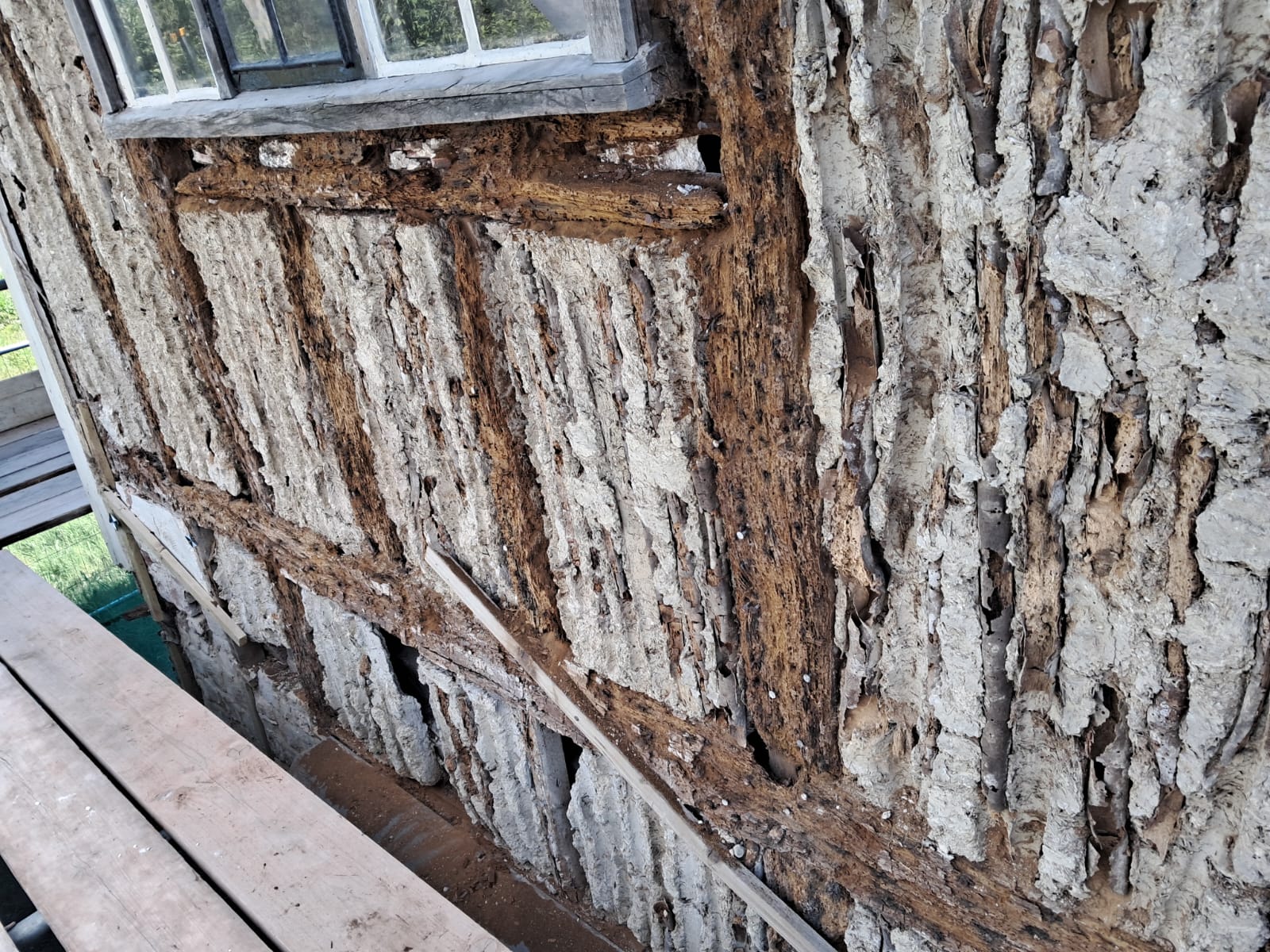
The exposed oak frame showing the extent of insect damage and decay to the oak frame and wattle and daub panels caused by being encased in cement based render.
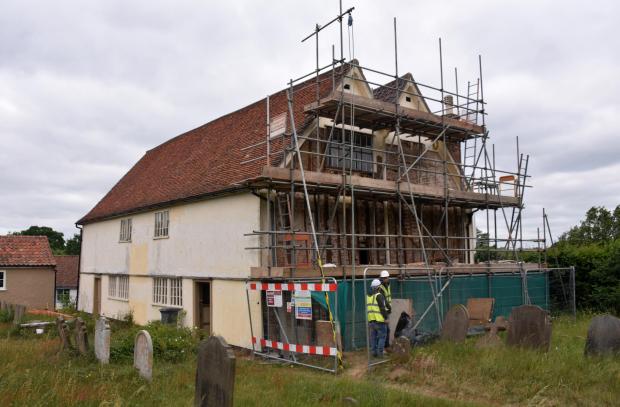
Walpole Old Chapel during structural conservation repairs.
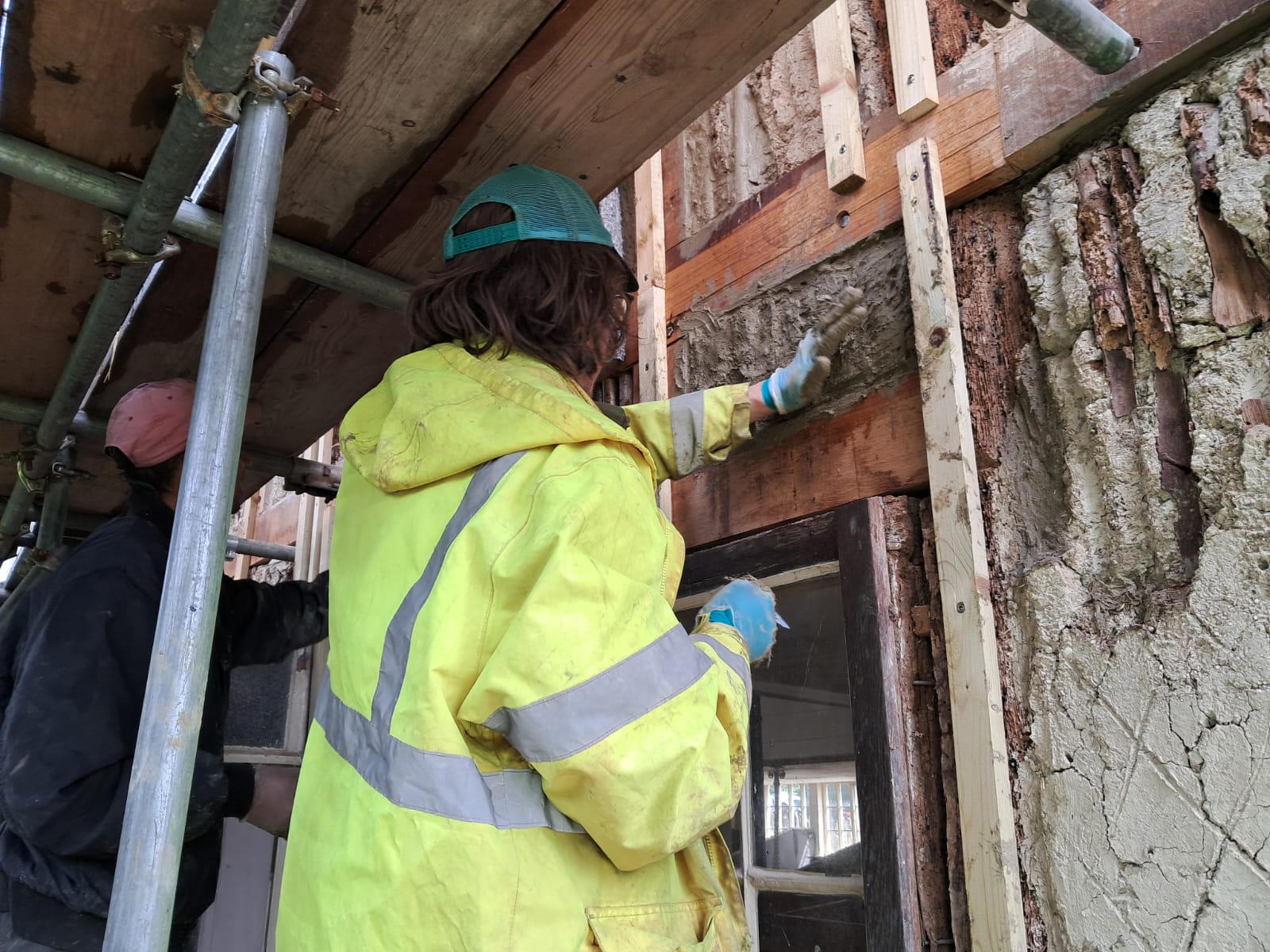
Wattle and daub panels being stabilised and repaired.
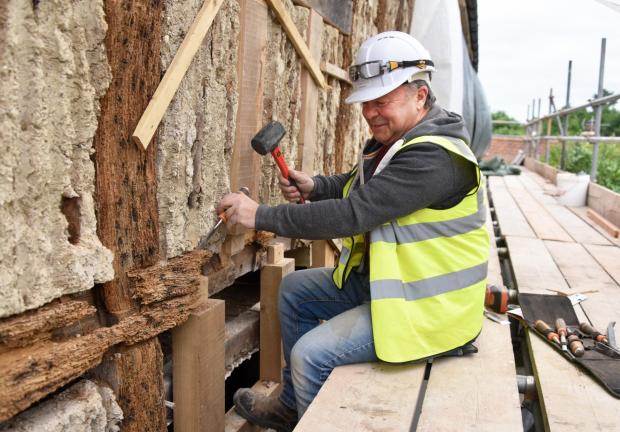
Structural timber frame repairs using hand tools.
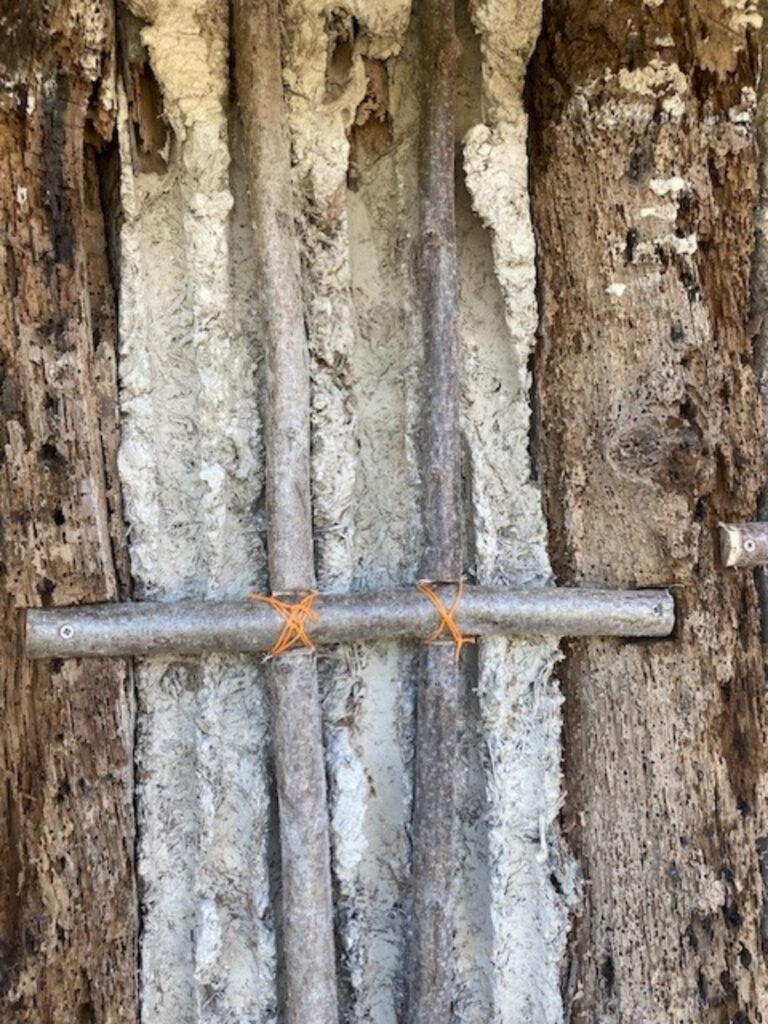
New wattles replacing rotted poles in original 17th-century daub channels.
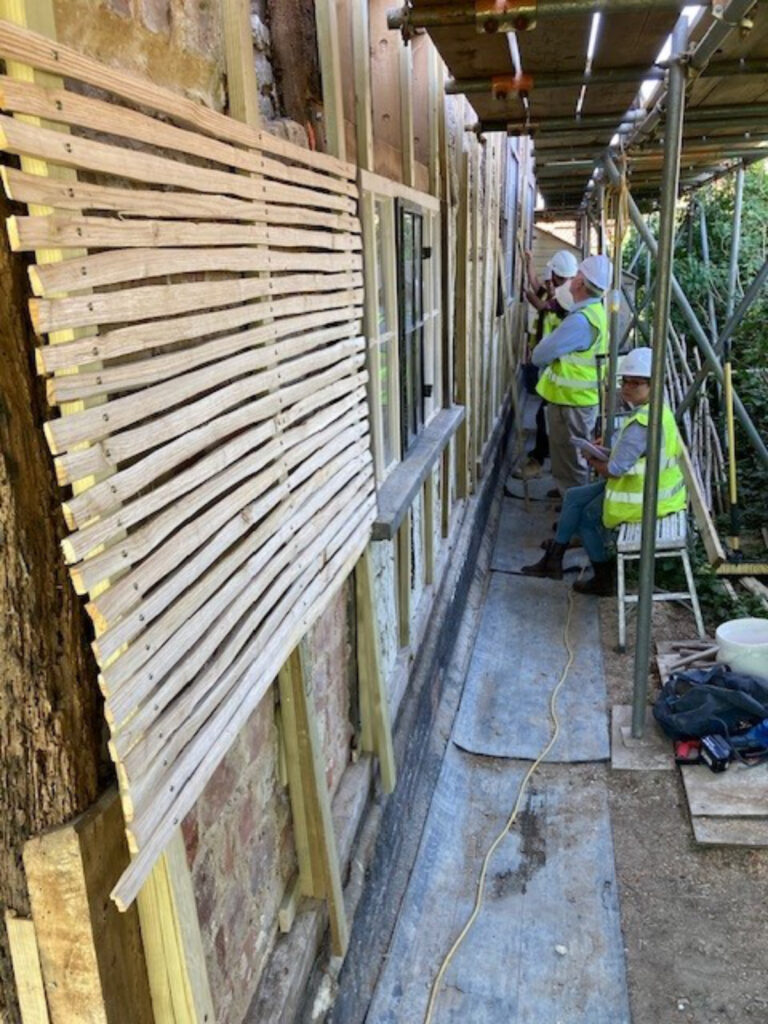
New timber laths as part of the conservation repair works.
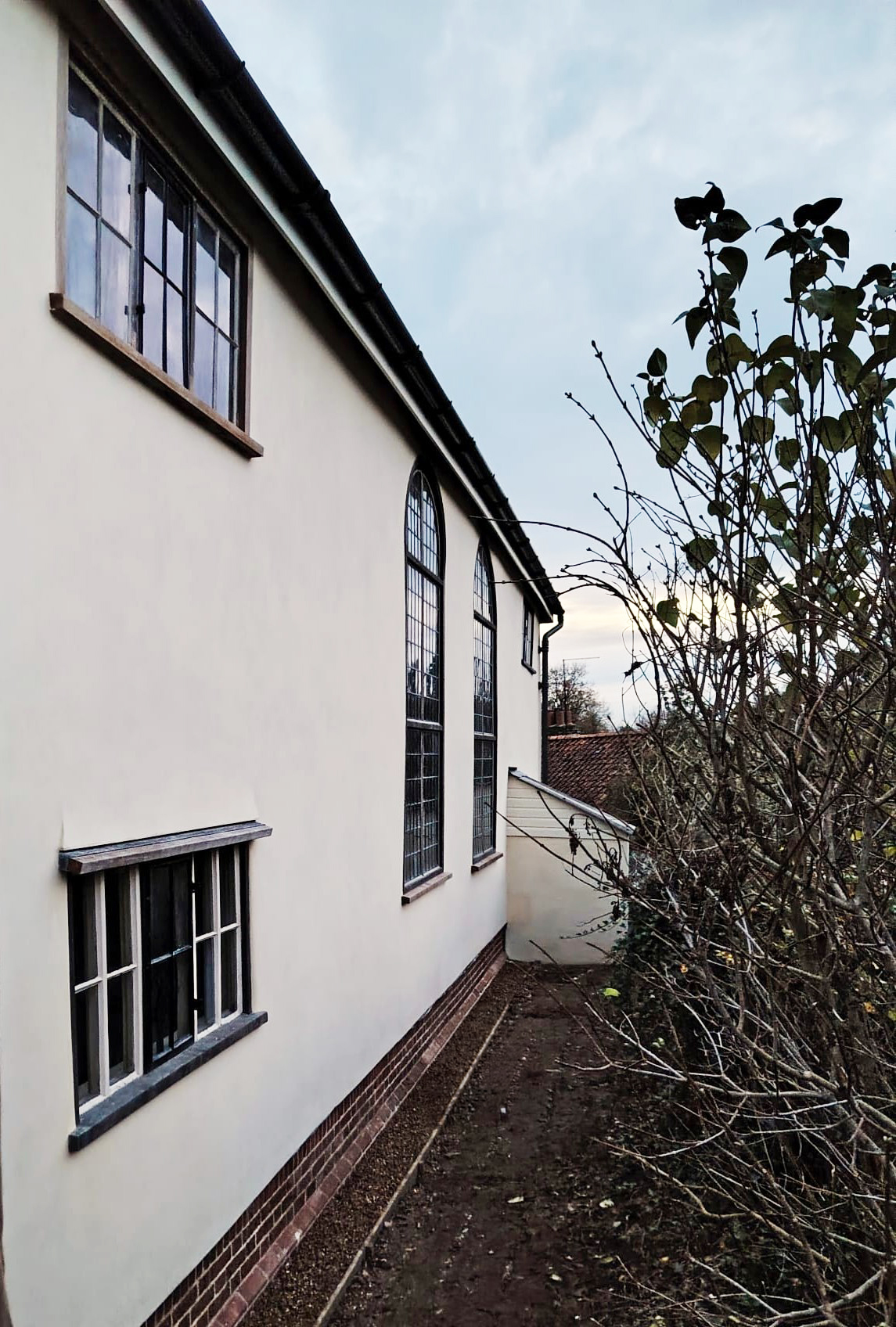
Walpole Old Chapel after conservation repair.

Cliveden Conservation was praised by Ptolemy Dean Architects for their proactive approach, swift understanding of the building and the ethos of the conservation project, consistent quality and care, and their generosity in engaging with the local community throughout.
The Walpole Old Chapel Newsletter reported that ‘The result is spectacular: the Chapel walls have not looked this good for many, many decades.’
.
Ptolemy Dean Architects and Friends of Walpole Old Chapel