
LIME MORTAR AND STONEMASONRY WORK TO BACONSTHORPE CASTLE RUINS IN NORFOLK
Baconsthorpe Castle, near Holt in Norfolk, is a moated, fortified manor house built in the 15th century by the ambitious Heydon family, who developed a defensive stronghold into an impressive dynastic country residence. It is one of English Heritage’s key sites in Norfolk. Featuring an Outer and Inner Gatehouse (with iconic ruined opening), curtain walls and the ‘Textile Factory’, the ruined remains of the settlement are open to the public to explore.
Built of large flint, brick and rubble, with high-quality detailing and flint work, the exposed elements of the castle hint at a previous show of wealth and power. The site sits on a parcel of land, completely surrounded by water, and exposed to the weather coming in from the North Sea – creating very challenging environmental conditions.
Due to ongoing deterioration, the site had to be closed to the public for health and safety reasons. The exposed wall heads were deteriorating, mortar was failing, and large flints and masonry were falling from the remains of the castle. The timber entrance bridge that spanned the moat at the Inner Gatehouse was rotten and unsafe, and there were real concerns over the structural stability of the buildings in that area.
Scope of Works Required
A scheme of works to consolidate and conserve the outer curtain walls, towers, gatehouses and as much of the exterior elevations as possible was required. A new bridge and steel frame for the Inner Gatehouse was specified, as well as masonry repairs to some windows, a section of vaulted ceiling and a fragile brick and stone arch. Rotting timber lintels to several windows were to be replaced with cast concrete lintels – chosen for longevity in such an exposed area.
Conservation Work Undertaken
Cliveden Conservation secured the contract amidst stiff competition and assembled a team of conservators and heritage tradespeople to undertake the project.
A comprehensive access scaffold was erected in phases to the site and works began to repoint in lime mortar and rebuild some sections of failed flint work. The team made drawings and templates of the stone masonry elements to be manufactured off site, and the lintels and other structural elements were designed and ordered.
In one corner of the site, the North Tower, which was flooded, was drained and the silt dug out, so that work could begin to consolidate the sections of the walls that sit below the water level. A more robust NHL mortar was designed for this work.
Works progressed in a phased approach, consolidating and repairing each area of the site in turn. The project was paused during the winter months and works to the Outer Gatehouse, including the final work to repair the brick and stone arch were completed in the spring.
Heritage Open Day and Heritage Skills Training
In addition to the practical conservation works, Cliveden Conservation worked in collaboration with English Heritage to deliver public engagement days involving practical demonstrations, tours of the castle and opportunities for young visitors to ‘have a go’ at stone masonry, letter cutting and other child-friendly heritage activities.
The project also provided Cliveden Conservation with the opportunity to train an apprentice and offer work experience to conservation masons from Chester Cathedral.
Results
The result is a consolidated, safe and secure historic site, now open for the public to explore once more. The interventions that Cliveden Conservation implemented have future-proofed Baconsthorpe Castle for decades to come. An ongoing programme of maintenance is scheduled to ensure that the hard work that went into repairing the ruined structures is maintained and monitored as part of a proactive maintenance strategy.
Project details
Client:
English Heritage
Specialist Main Contractor
Cliveden Conservation
Category:
Stonework
What we did
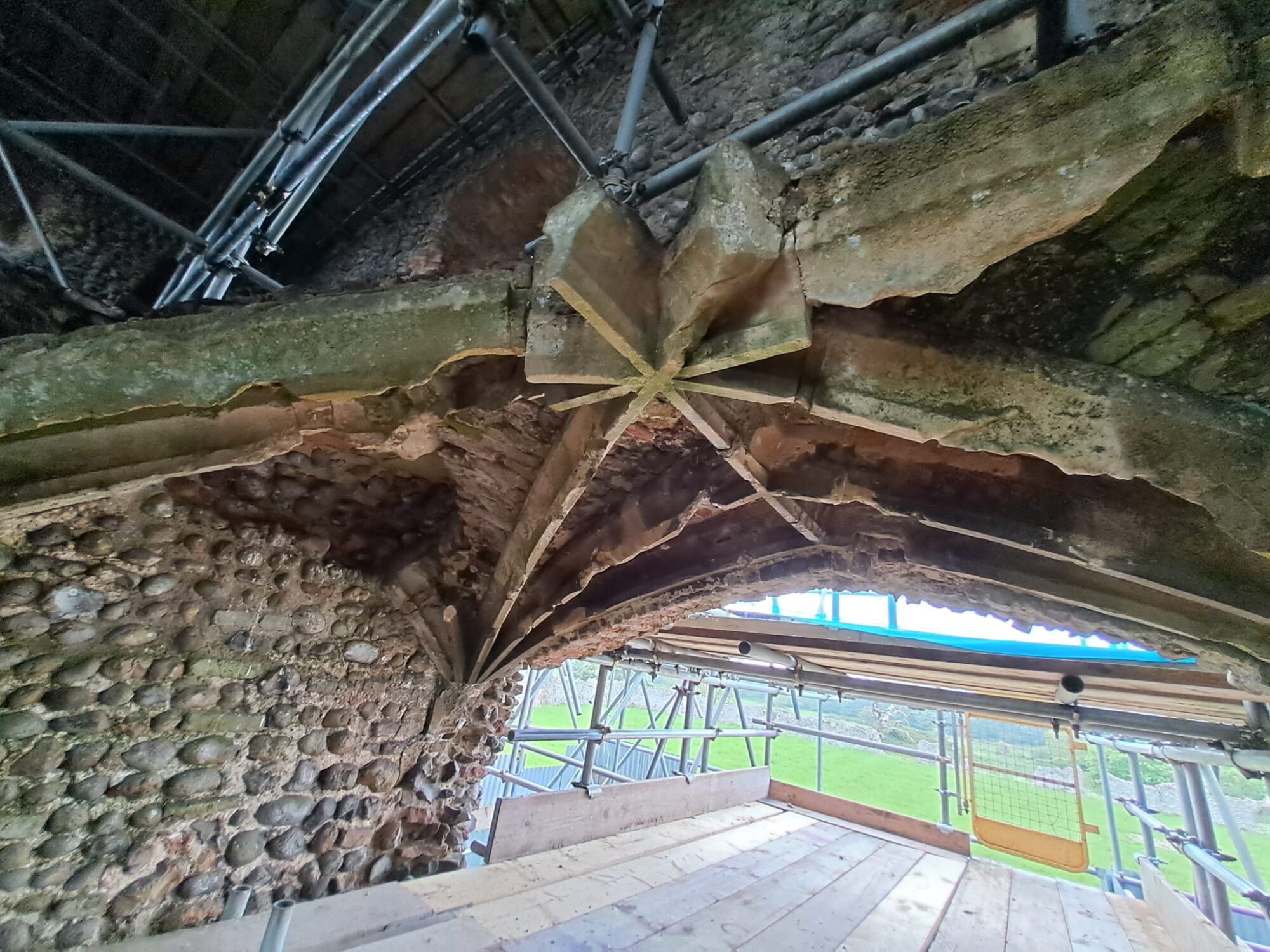
Vaulting pre repairs.
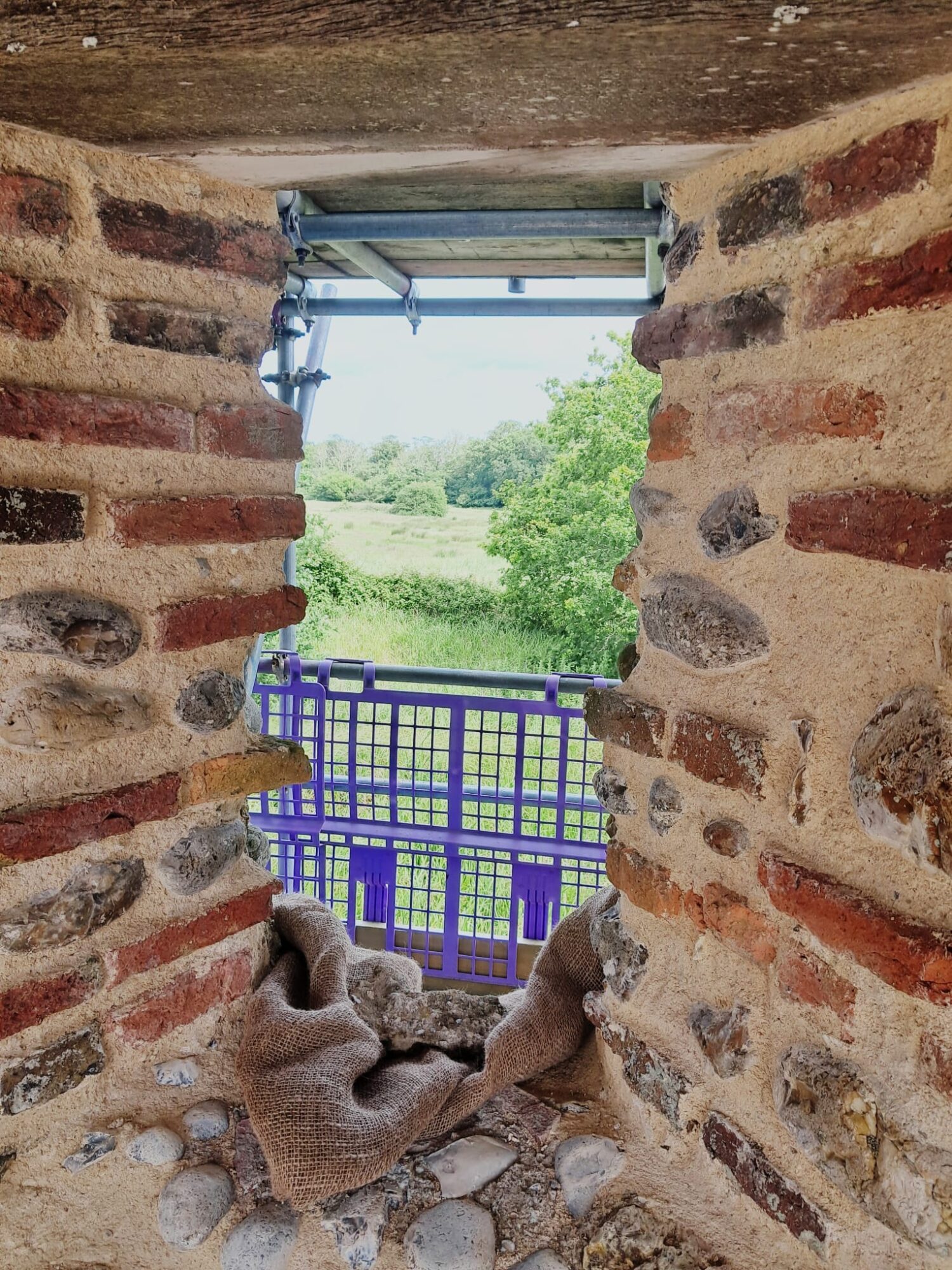
Repointed window.
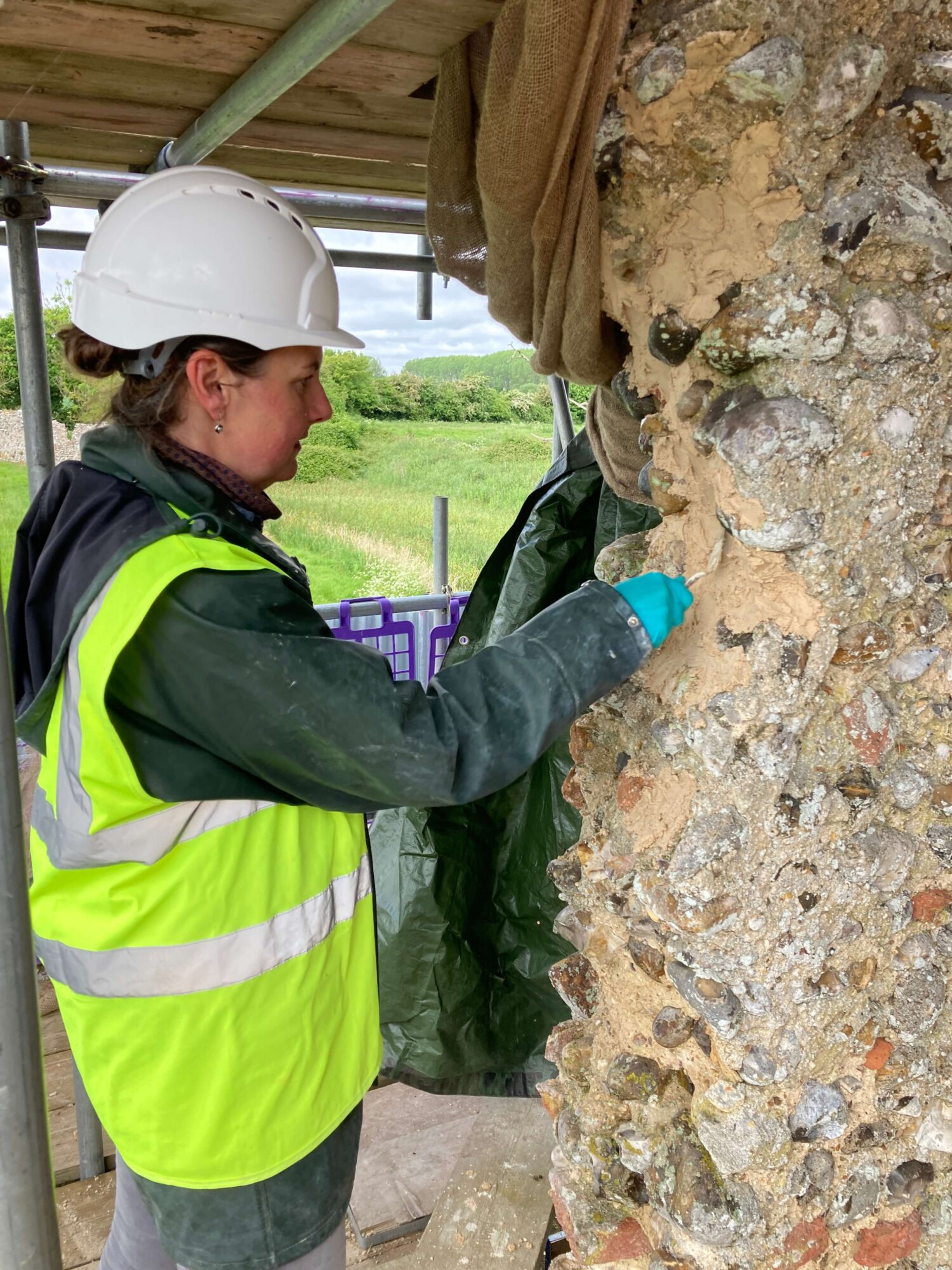
Lime mortar repairs.
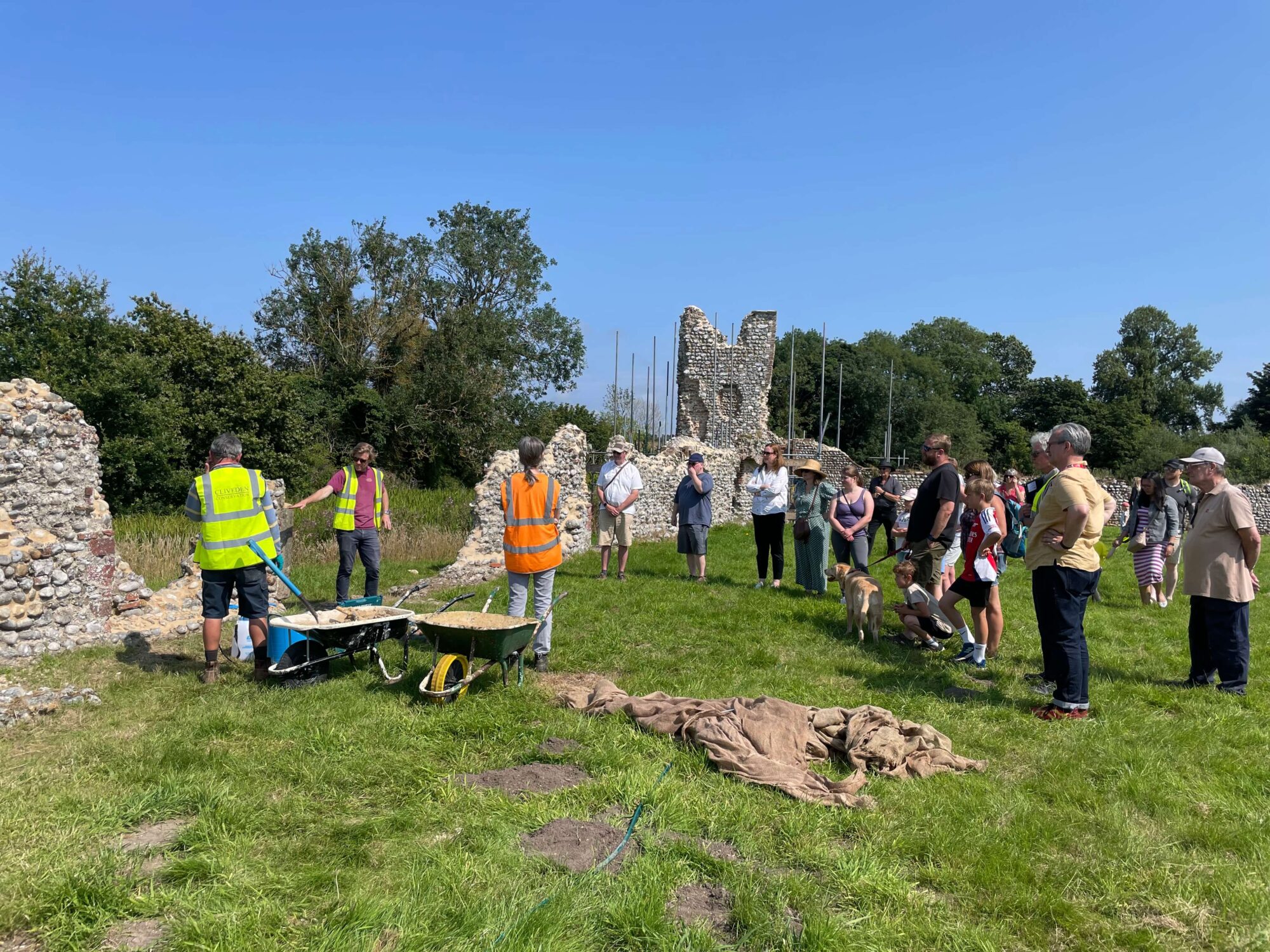
Conservation in Action Day.
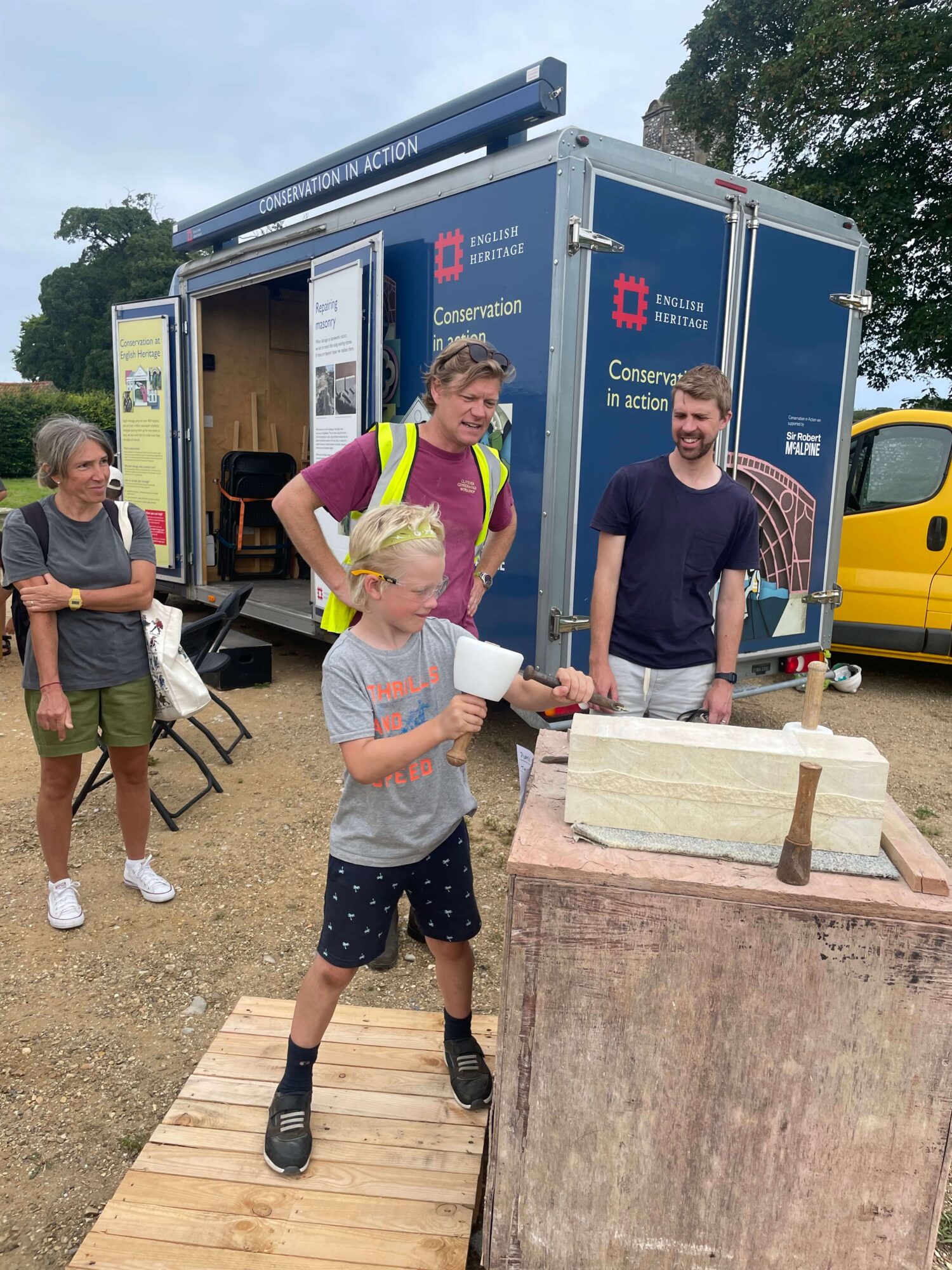
‘Have a go’ at stonemasonry child friendly activities.
